Gastropoda: on the Snail Trail
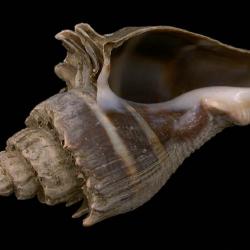
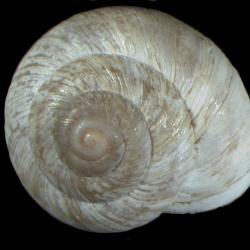
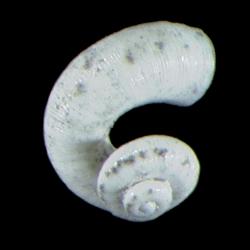
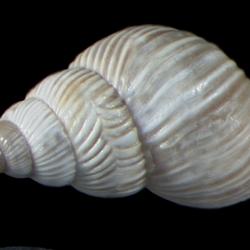
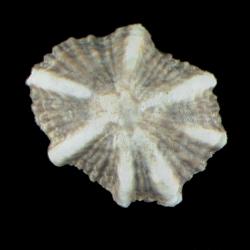
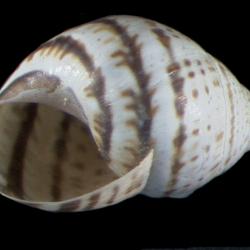
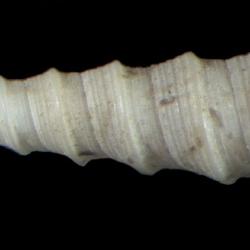
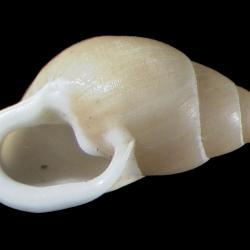
Explore the gastropod collections of the Canadian Museum of Nature! From tiny, spiraled shells found in Alberta’s rivers to the colorful tree snails of tropical islands, these creatures are nature’s amazing architects.
Gastropods are a large and diverse group of invertebrate animals belonging to the phylum Mollusca, most commonly known as snails and slugs. The name "gastropod" comes from the Greek words gastro (stomach) and pod (foot), literally meaning "stomach-foot" because they look like they are crawling on their bellies.
Key Characteristics
The "Foot": Instead of legs, they have one large, muscular "foot" that they use to glide slowly along surfaces.
Slime Power: They produce a special mucus (slime) that protects their soft bodies from sharp objects and helps them stick to walls and ceilings.
Shells (or No Shells): Snails have hard, spiralled shells they can pull their whole bodies into for protection. Slugs have either no shell or a tiny one hidden inside their bodies.
A Sandpaper Tongue: Most gastropods have a radula, which is like a tiny, rough ribbon covered in thousands of microscopic teeth used to scrape and chew food.
Eyes on Stalks: Many land gastropods have two pairs of tentacles. The longer top pair usually has eye spots at the tips to see light and dark, while the shorter bottom pair is for smelling and feeling.